

PREVENTING WATER DAMAGE: THE IMPORTANCE OF REGULAR GUTTER MAINTENANCE
Why People Usually Call for an Inspection
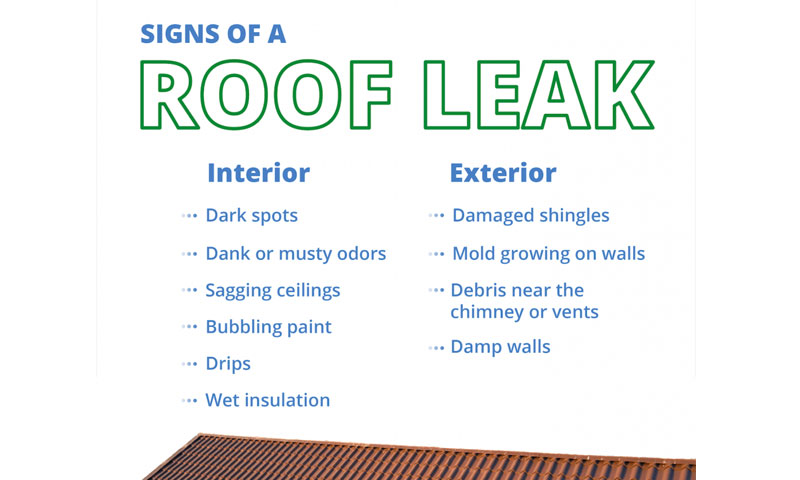
Most homeowners do not schedule a roof inspection just for fun. Something usually triggers it. Maybe a stain showed up on the ceiling. Maybe shingles came off during a storm. Sometimes it is just the age of the roof and a feeling that it is time to check. Whatever the reason, the goal is usually the same. People want to know what shape the roof is in and what needs attention now versus later.
A good inspection is not rushed. It is not just a quick look and a guess.
The First Look Happens From the Ground
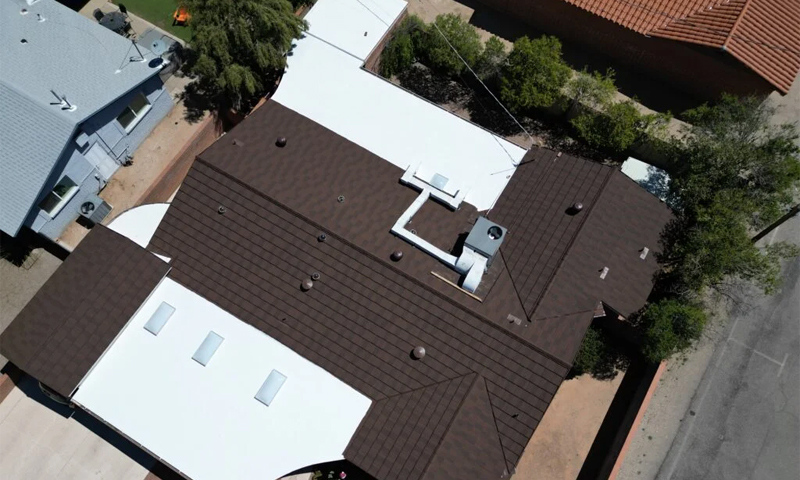
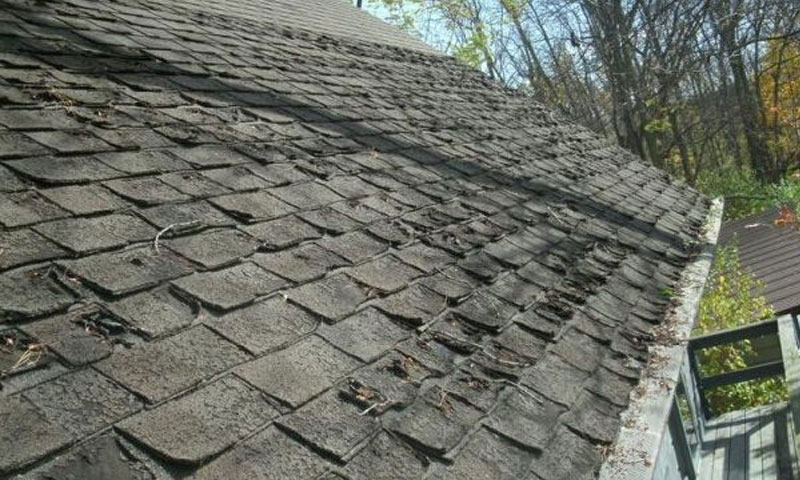
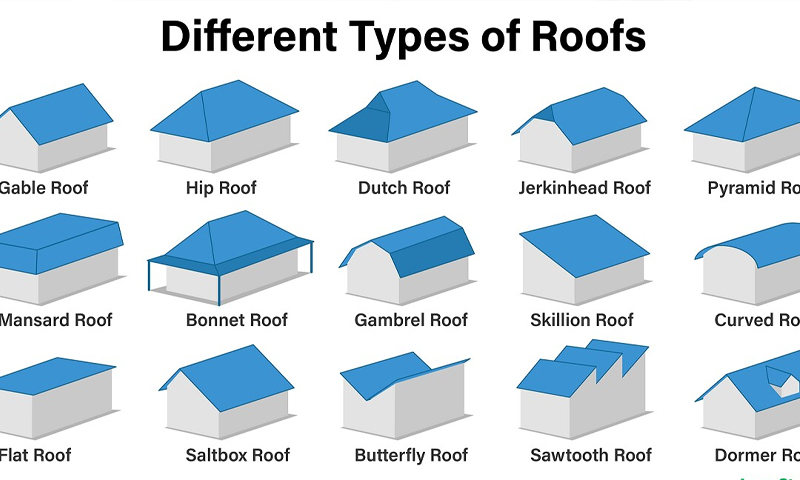
Before anyone climbs onto the roof, a professional usually starts from the ground. They look at the roofline, the slope, and any areas that seem uneven. Sagging sections, missing shingles, or obvious wear can often be spotted right away. This is the most crucial steo because it helps identify areas that need closer scrutiny.
The Roof Gets Checked Carefully
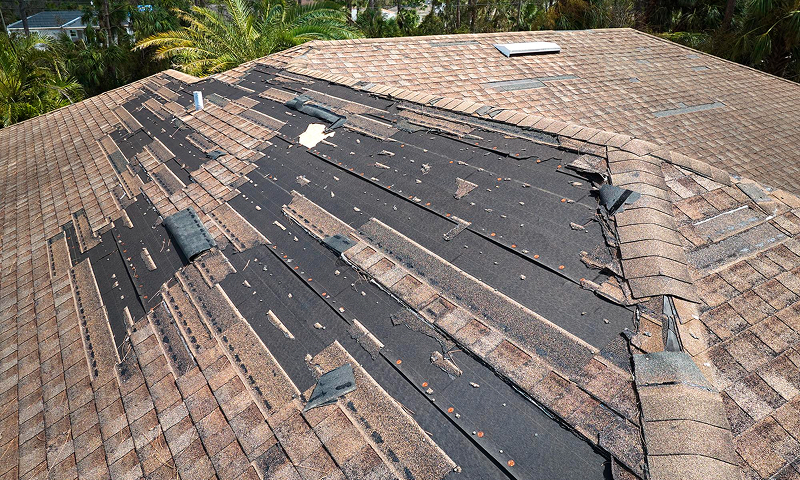
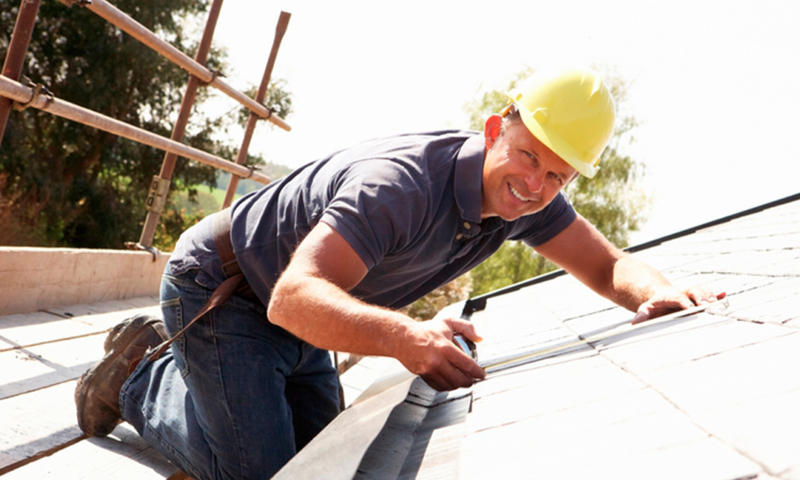
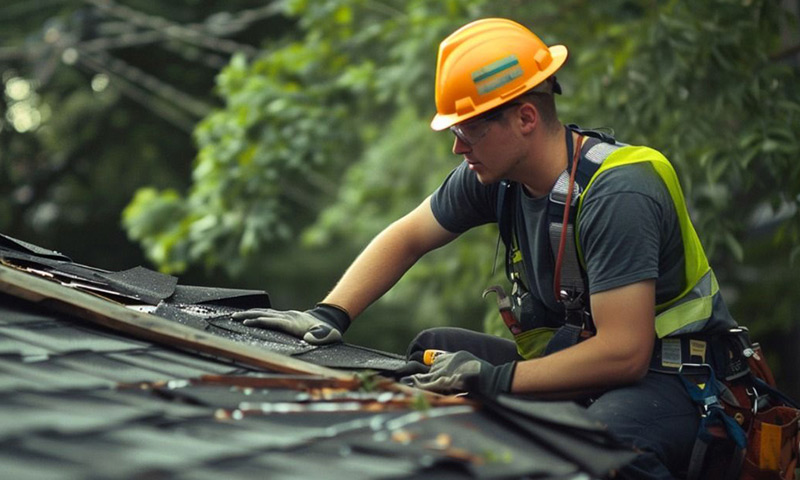
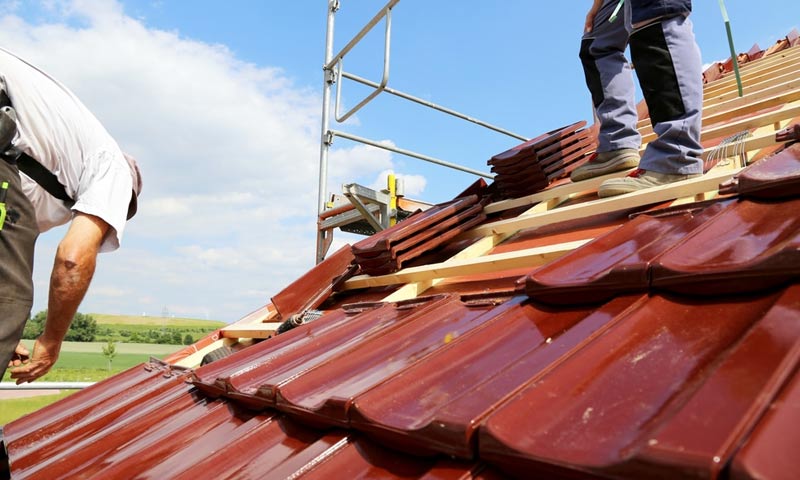
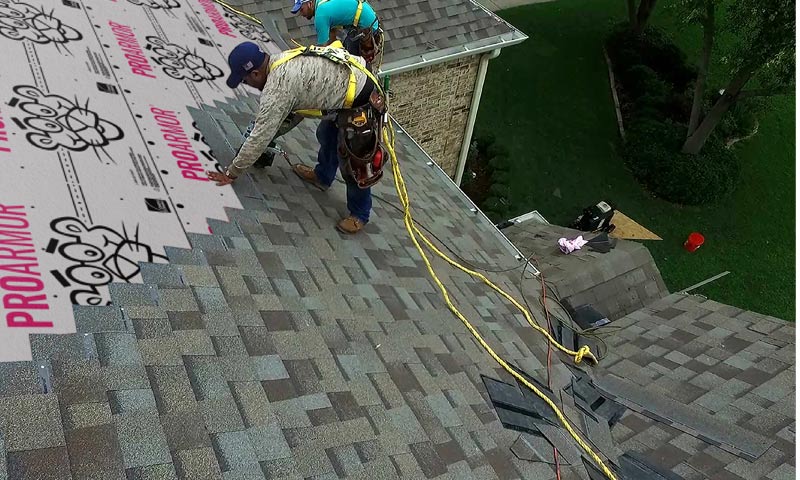
Once we get to the roof, the inspection becomes even more intricate. Shingles or roofing material are checked for cracking, lifting, curling, or excessive wear. Any signs of impact from wind or debris are noted.
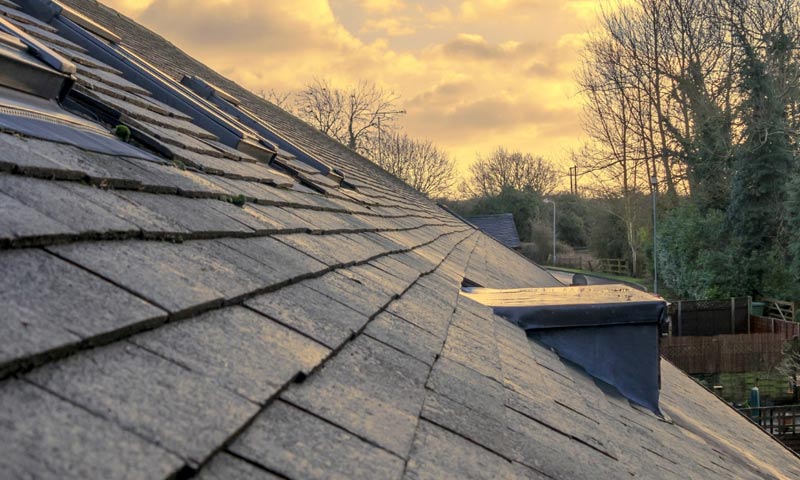
Flashing is a big focus. Areas around chimneys, vents, skylights, and edges are common trouble spots. Even small gaps or separation can allow water to enter over time. These areas are checked closely, not just glanced at.
The Attic Tells a Different Story
A professional inspection does not stop on the roof itself. The attic is just as important. Inside, inspectors look for signs of moisture, mold, or staining on the underside of the roof deck. Insulation condition is checked. Ventilation is reviewed.
The attic often shows problems that are not visible from the outside. Small leaks leave trails. Poor ventilation leaves heat and moisture behind. This part of the inspection helps explain why certain issues exist.
Photos and Notes Are Usually Taken
Most professionals document what they see. Photos help explain problem areas clearly. Notes are taken to track condition, not just damage. This makes it easier for homeowners to understand what is happening and why certain repairs may be recommended.
A good inspection is not meant to scare anyone. It is meant to inform.
What Happens After the Inspection
Once the inspection is complete, the findings are reviewed. Issues are usually separated into categories. These categories include problems that need immediate attention, issues that should be addressed soon and those that are simply worth monitoring. Remember, not every inspection leads to major work.
Inspections Avoid Surprises
When you avail of inspections, you ensure clarity. Homeowners know where they stand. They can plan instead of reacting to emergencies. Small problems are easier to handle when they are caught early.
A roof inspection is not about finding reasons to replace a roof. It is about understanding its condition. When people know what to expect, decisions become easier, and homes stay protected longer. With Demuro Roofing, you can get the best knowledge and hence the best solutions and services. Contact us today!